Plumber Rosenberg TX works in a variety of environments. They may visit homes or business and interact directly with clients to assess equipment and provide estimates for plumbing services.
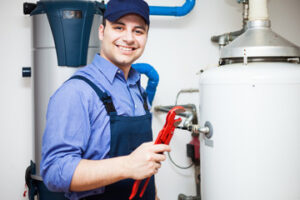
Plumbers also work in office spaces, hospitals, and other large industrial facilities. They often collaborate with architects and construction teams to ensure that plumbing systems integrate seamlessly into building projects.
Plumbing systems are complex, and it takes a skilled tradesman to install them correctly. Plumbers must understand the science behind water flow and sewage disposal, how different pipes work with each other, and how to read blueprints. They also must have extensive knowledge of local building codes and regulations.
Plumbers install the piping that provides water, gas, and waste removal in homes and businesses. They may also install fixtures such as sinks, toilets, and water heaters. When installing new plumbing, they follow blueprints and building codes to ensure the proper placement and connections of all components. They use special tools to cut, bend, and shape pipe fittings and fixtures. They also test for leaks and verify the correct water pressure of each fixture.
Because of the nature of their job, plumbers must be comfortable working with their hands and problem-solving on the spot. They often work with dangerous tools and substances, so they must be careful not to injure themselves or others. Plumbers also must be comfortable navigating tight spaces and working on ladders.
Another key aspect of a plumber’s role is providing customer service. They communicate with customers to understand their needs and provide recommendations, as well as estimate costs for their services. They also ensure that customers are satisfied with their work by performing quality checks and conducting inspections before a home or business can be occupied.
Depending on the type of plumbing system, different types of plumbing materials are used. For example, copper piping is more durable than galvanized steel, and PEX piping is more flexible than PVC. Each material has its own installation process, and it is important for plumbers to know which one is best for each situation.
Plumbing is an integral part of every home, and it’s crucial that it functions properly. Without a functioning plumbing system, people would have a hard time getting clean water, heating their homes, and removing waste. Plumbers play a vital role in maintaining the plumbing and sewage systems that make our lives possible, and it’s essential that we hire qualified professionals for any repairs or installations.
Repair
Whether it’s a leaky faucet or a toilet that won’t flush, homeowners rely on plumbers to fix their plumbing problems quickly and effectively. In addition to repairing fixtures, pipes and appliances, plumbing professionals can also install new plumbing systems in homes or businesses. They follow strict safety standards to ensure that the installed pipes, fixtures and equipment are safe and functional.
Most people don’t think about their plumbing until something goes wrong, but a well-functioning system is essential for water and waste management in homes and businesses. Plumbing involves more than just faucets, toilets and showers; it includes the pipes that transport water, sewage and waste, as well as the devices that use water (such as washing machines, dishwashers, clothes dryers and refrigerators). A plumbing system can also include gas plumbing to supply cooking and heating systems with fuel.
Plumbing issues can be complicated and hazardous, particularly if they involve electrical systems or dangerous mold growth. Professional plumbers have the training and experience to diagnose and repair a wide range of problems, including clogged drains, broken water heaters, and burst pipes. They use advanced tools and techniques to perform repairs safely and efficiently, ensuring that the repaired plumbing is long-lasting.
A plumber’s work can be physically demanding, as they often have to crawl through tight spaces or under sinks to access plumbing components. They may also need to lift and carry heavy objects. In addition, they must be able to work with different types of materials, including copper, PVC and PEX, as well as electric wiring. Plumbers also need to be comfortable working in residential and commercial settings, and they may interact directly with customers.
When a pipe bursts, a plumber’s job isn’t just to fix the immediate issue, but also to prevent further damage and potential health risks. They begin by shutting off the water supply to minimize damage and then conduct a thorough assessment of the situation. This includes examining the condition of the pipes, identifying any leaks, and checking for any other issues that could lead to future problems.
Maintenance
Plumbing systems are complex and require specialized training to install, repair, and maintain. They facilitate the distribution of water and gas in residential, commercial, and industrial settings, ensuring clean water supply, proper waste disposal, and safe heating and cooling. A plumber must be knowledgeable about a wide range of skills to effectively perform their job duties, including reading blueprints and plans, interpreting building codes and regulations, and inspecting and testing plumbing fixtures. They must also be able to communicate well with clients to understand their plumbing needs and concerns.
The work of a plumber can be physically demanding, as it requires strenuous physical activity and working in tight spaces. Many plumbers also face risks of injury or exposure to hazardous materials. For these reasons, it is important for plumbers to have good physical health and stamina. In addition, the job often requires standing for long periods of time and lifting heavy objects. Plumbers may also be required to travel to different locations to complete their work.
Plumbing is a skilled trade that can lead to a variety of career paths. Some plumbers choose to work for large plumbing companies, while others opt to become independent contractors. Whatever path they choose, plumbing offers a number of benefits, including flexible schedules, a steady income, and opportunities for advancement.
Troubleshooting
The plumbing system in a home is complex, and there are many things that can go wrong. The key to minimizing damage and disruption is timely identification and resolution. Many homeowners find themselves dealing with minor plumbing issues like leaky faucets, running toilets, or clogged drains. By arming yourself with the right tools and knowledge, you can tackle these problems yourself and save on costly repair bills. However, major plumbing issues like burst pipes and sewer problems require professional intervention to avoid costly damages.
If you notice water stains or puddles around your sinks and faucets, or if you have low water pressure, these are signs that there is a problem with your plumbing system. A plumber will be able to identify the source of the issue and recommend the appropriate solutions.
Leaky Faucets
A dripping faucet is not just an annoying nuisance that keeps you awake at night; it can also waste significant amounts of water over time and result in high water bills. Moreover, constant drips can cause damage to your home’s fixtures and lead to structural damage. Therefore, it is important to fix a leaking faucet as soon as possible.
Clogged or Slow-Draining Drains
Blocked drains are not only frustrating but can also be hazardous to your health. Common causes of clogged or slow-draining drains include soap scum, hair, and toilet paper. However, more serious issues like broken pipe sections, root infiltration, and old or worn-out valves may be to blame. In such cases, a plumber will be required to take a closer look at your plumbing system and implement the most effective solution.
Water Heaters
Whether it is due to age or unavoidable wear and tear, your water heater can start to malfunction and leave you with a cold shower or no hot water at all. If you have a gas water heater, it is particularly important to call in a plumber as soon as possible to avoid potential safety hazards and costly repairs. Plumbing professionals use specialized tools to diagnose and repair water heaters, and they will ensure that your unit is safe and working correctly before leaving your home.
