Colorectal Surgeon diagnoses and treats disorders of the colon, rectum, anus and pelvic floor. This includes surgery to remove cancer, fecal incontinence and hemorrhoids.
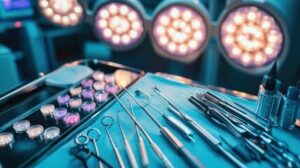
Recovery from colorectal surgery can be uncomfortable. But effective pain management can help you stay comfortable. Your doctor may also prescribe medication to help prevent complications, such as blood clots and infections.
If cancer is diagnosed in the colon or rectum, patients are often referred to a colorectal surgeon (also known as a proctologist) by their general practitioner or gastroenterologist. The surgeon will determine if the tumor is localized to the colon or if it has spread to other organs, such as the lymph nodes or blood vessels that line the rectum.
Once the diagnosis is made, the physician will use a combination of treatments to kill cancer cells and prevent their return. This may include chemotherapy, radiation or surgery. In some cases, the tumor can be cured with minimally invasive techniques such as laparoscopy or robotic surgery.
During a colonoscopy, the gold-standard screening procedure for colorectal cancer, gastroenterologists may find polyps in the large intestine or rectum. A pathologist will examine the polyps and, if necessary, remove them. Polyps are usually benign but can be malignant, and removing them early can save lives.
The rectum — which is about 6 inches long and is made up of the anal canal, two anal sphincters and the pelvic floor muscles — is where stool forms and is stored before passing out of the body. The colon and rectum are connected by the anus, which is a 2-inch-long canal that controls the flow of stool through the rectal sphincter. The anus canal is also where the small bowel and the bladder meet.
Surgeons treat a variety of gastrointestinal conditions, from benign issues such as hemorrhoids and Inflammatory Bowel Disease to colon and rectal cancers. She always looks for the least invasive surgical approach possible to minimize scarring, risk and recovery time.
For some cancers, a colorectal surgeon may use a technique called neoadjuvant therapy, which involves administering chemotherapy or radiation to shrink the tumor before surgery. This reduces the amount of surgery needed and increases the likelihood of a successful outcome, according to Dr. Mongiu.
For patients who are unable to have a traditional surgery, a colorectal surgeon may perform a surgical procedure such as a total mesorectal excision (TME), in which the tumor and the area of tissue surrounding it — including the blood vessels, lymph nodes and sphincters — is removed through a smaller incision. Another option is transanal endoscopic microsurgery, in which the colorectal surgeon inserts instruments through an opening in the anus instead of using incisions in the abdomen.
Diverticulosis
Diverticulosis is a digestive condition caused by small pouches or pockets, called diverticula, developing in the wall of your large intestine. These pouches can be the size of a pea or larger, and they hinder the normal flow of digestive material from your colon to your rectum. Although they are usually not dangerous, these pouches may become inflamed and cause pain or tenderness in the lower abdomen. When this occurs, it is a serious medical problem called diverticulitis. The inflammation can irritate blood vessels near the diverticula and cause bleeding into your colon. This complication can be very painful and life-threatening and often presents as bright red or maroon color stool. In severe cases, the blood vessels can rupture and lead to a bowel perforation, creating a hole in your colon that connects to other structures such as your bladder or other parts of your intestines (a fistula). Repeated episodes of diverticulitis can also result in scarring which narrows your large bowel, causing a bowel obstruction.
Symptoms of diverticulosis include abdominal pain, diarrhea, or constipation. If you experience symptoms, your doctor will examine you using a flexible viewing tube, called a colonoscopy or a CT scan of the colon. A blood test or barium enema may also be ordered. If you are experiencing active bleeding, your doctor may perform a special type of CT scan called a CT angiogram or a radionuclide scan where radioactive red blood cells are injected into the body and used to locate the source of the bleeding.
The causes of diverticulosis are not fully known, but many researchers believe that changes in the lining of your large intestines are involved. These changes may be related to a low fiber diet, a high-fat diet, a sedentary lifestyle, obesity, smoking, and the use of nonsteroidal anti-inflammatory drugs and aspirin.
The treatment for diverticulosis is surgery to remove the affected area of your colon. This is typically done laparoscopically using a small incision or robotic surgery to reduce complications such as infection, bleeding, or hernias. Surgery may also involve creating a temporary connection from your colon to the rest of your body with an opening in your abdomen wall, called a colostomy. This is a necessary step when a bowel perforation or abscess occurs, or if your bowel becomes permanently blocked by scarring from repeated attacks of diverticulitis.
Inflammatory bowel disease
The large intestine, or colon, is the final part of your digestive tract, and it’s where food goes after leaving your mouth. Inflammation in your colon can lead to abdominal pain, bloody diarrhea and diarrhea that contains pus. It can also cause weight loss and malabsorption (where you don’t get all the nutrients you need). This group of conditions is called inflammation bowel disease. It includes Crohn’s disease and ulcerative colitis. It’s not known what causes IBD, but doctors think it’s related to an immune system response. Symptoms include stomach pain, fatigue and muscle cramping. It’s a chronic condition, with periods of symptoms and remission.
Your doctor diagnoses IBD by doing tests and a physical exam. They may order blood and stool tests to check for anemia, inflammation or vitamin deficiencies. They might do an endoscopy to look at your rectum and sigmoid colon (the lower portion of your colon) through a tube with a camera, or they might do imaging scans to look for inflammation and other complications.
Inflammatory bowel disease can be treated with medicine and diet changes, but sometimes surgery is needed. Doctors can remove the area of your colorectum and sigmoid colon affected by inflammation, or they can do a reconnection procedure that attaches new tissue to the colon. Depending on your situation, they might also create a stoma to let waste pass out of the body through an opening in the abdomen.
A colorectal surgeon who specializes in colon and rectal diseases has advanced training to do surgical procedures like these. They know how to use minimally invasive techniques, including laparoscopic and robotic surgery, to reduce risk and recovery time. They treat a wide range of colon and rectal issues, from cancers in the colon and rectum to inflammatory bowel diseases and diverticulitis. Whether you need a minor procedure or a more extensive one, the right surgeon will take into account your needs and health history to develop a plan that’s right for you. For example, if you’re having surgery for a cancer, your doctor might recommend chemotherapy before surgery to make it easier to remove the tumor.
Colostomy
A colostomy is an opening (called a stoma) in the large intestine, often created by surgery. It’s usually temporary so that part of the colon can rest while it heals from disease, infection or injury. In some cases, a colostomy is permanent.
During the surgery, your colorectal surgeon makes an opening in the abdomen wall, typically on the left side. Then, he or she brings a portion of the colon to the surface of your skin, and stitches it to the area surrounding it, forming the stoma. The stoma allows stool to pass through the opening, which is attached to a bag called an ostomy appliance that holds your waste.
This surgical procedure can help people with a variety of health conditions affecting the lower digestive tract, including cancer, diverticulitis, inflammatory bowel disease and anal fistula. Depending on your condition, your doctor may recommend a colostomy, ileostomy or other procedure.
Before your surgery, the WOC nurse or a healthcare professional marks an area on the abdominal wall where the stoma will be located. The site is chosen based on your comfort, habits and lifestyle, as well as factors like skin creases, scars, belt line, pant height and abdominal shape.
You will probably stay in the hospital for 4 to 7 days after a colostomy. While you’re there, the ostomy nurse will teach you how to care for your stoma and empty your ostomy bag regularly throughout the day.
After your surgery, it may take several weeks for your bowels to start functioning normally again. Your stools will likely be loose at first, but over time they should get thicker and firmer.
During your recovery, it’s important to follow a diet that’s low in fiber, fat and sugar. You also need to drink plenty of water to stay hydrated. It may be helpful to keep a diary of your symptoms and any discomfort or pain you experience so that you can share it with your doctor. You can also ask your family and friends for support if needed. They can offer moral and emotional support as you adjust to life with a new stoma.
